5 Ways to Get Your Clients to Pay on Time (Without the Awkward Chase)
Tired of chasing payments as a freelancer? Here are 5 proven strategies to get clients to pay invoices on time without damaging the relationship.

Here's something nobody tells you when you start freelancing: half the job is doing the work. The other half is getting paid for it.
I used to think that if I delivered great work on time, the money would follow. It didn't. I'd finish a project, send a message with my MoMo number, and then spend the next three weeks refreshing my phone like I was waiting for a text from a crush. Except instead of butterflies, I got anxiety and a growing sense that I might have to send that dreaded "just checking in on the invoice" message again.
The thing is, most late payments aren't personal. They happen because of unclear terms, forgotten deadlines, or too much friction in the payment process. Fix those three things and you'll fix most of your payment problems.
Here are five strategies that actually work.
1. Have the Money Conversation Before You Start Working
I know this feels uncomfortable. Nobody likes talking about money, especially with a new client you're trying to impress. But having an awkward 5 minute conversation now is infinitely better than an awkward 3 month payment chase later.
Before any work begins, be clear about three things:
- When payment is due (on delivery? 7 days after? 30 days?)
- How you want to be paid (bank transfer, mobile money, card)
- What happens if payment is late (late fees, work pauses)
Put it in writing. A proposal, a contract, even a detailed email both parties acknowledge. When everything is documented upfront, the "I didn't know" excuse disappears. And honestly? Clients respect freelancers who are upfront about money. It shows you take your business seriously.
2. Send Invoices That Look Like They Mean Business
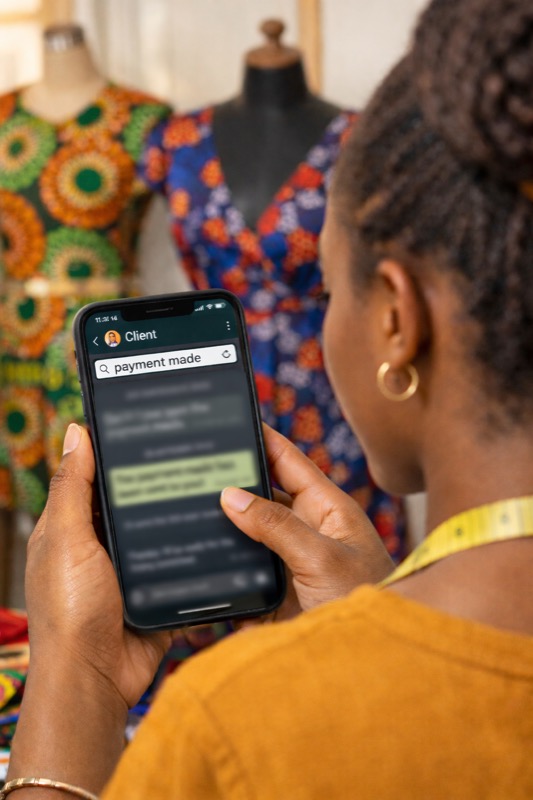
That WhatsApp message saying "Hi please send 50k for the website" is not an invoice. It's a suggestion. And suggestions are easy to ignore.
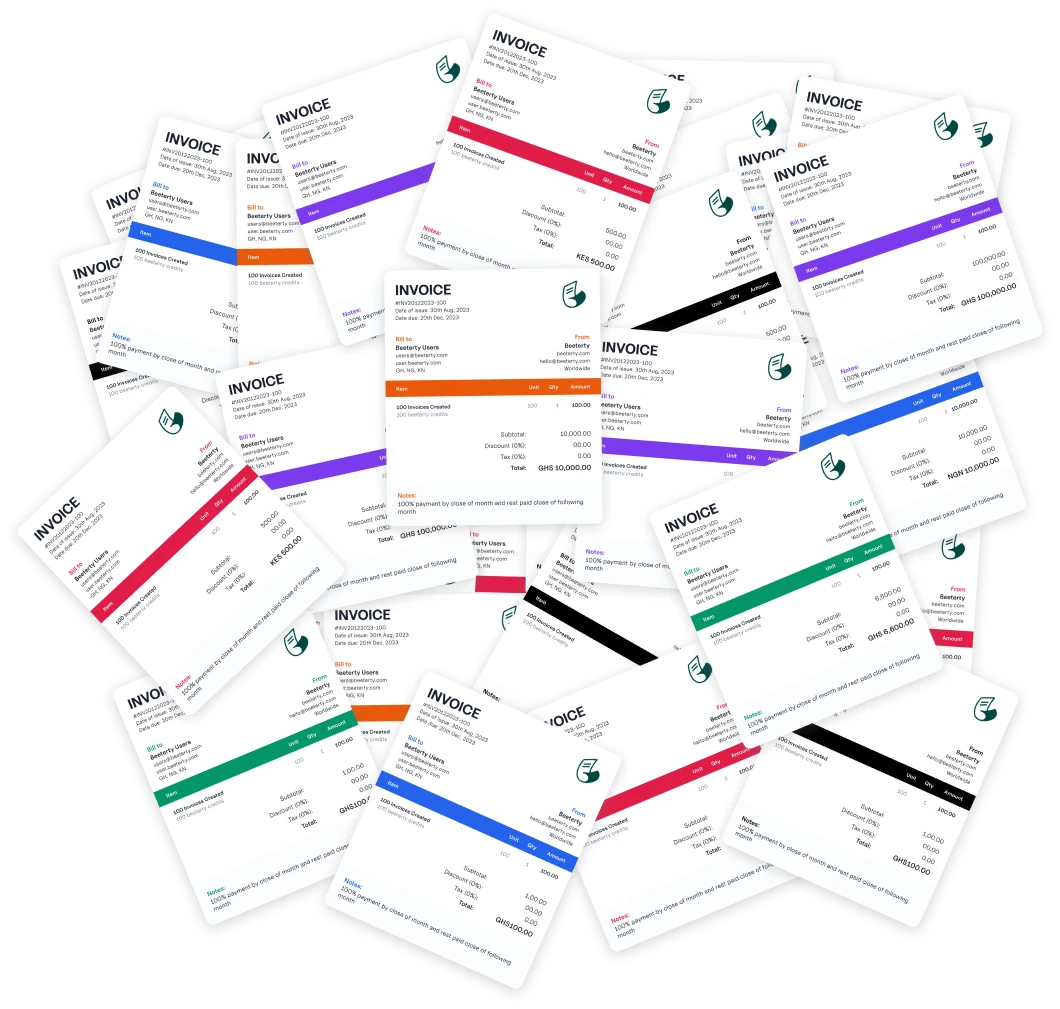
A proper invoice communicates authority. It says "this is a real business transaction with real terms." Here's what it needs:
- Your business name and contact details
- Client's name and details
- Invoice number and date
- Clear breakdown of every service and its cost
- Payment due date (a specific date, not "ASAP")
- Payment instructions with account numbers or mobile money details
When a client receives a well structured invoice, it enters their payment workflow. It goes to their finance person. It gets processed. A casual text stays in a WhatsApp chat where it gets buried under 47 other messages.
3. Stop Sending Reminders Manually
This is the part where most freelancers struggle. You send an invoice and then just... wait. You hope the client remembers. You check your bank every morning. And when the due date passes, you agonise over whether sending a reminder makes you look desperate.
So you draft a message. Delete it. Draft another. Try to sound casual but firm. Eventually you send something three days after the deadline that took you 45 minutes to write.
There's a better way. Set up automated reminders.
Tools like Beeterty let you schedule payment reminders that go out automatically. A polite "Your invoice is due in 3 days" before the deadline. A factual "Payment is now overdue" after. No agonising over wording. No worrying about sounding pushy. The system handles it professionally, and you can focus on actual work.
The freelancers I know who switched to automated reminders all say the same thing: they wish they'd done it sooner.
4. Remove Every Possible Obstacle to Getting Paid
Think about it from the client's side. They get your invoice. They're ready to pay. But you only accept Fidelity Bank transfers and they use GCB. Or you only take MoMo but they prefer bank transfers. So they think "I'll do it later" and later turns into next week which turns into next month.
Every barrier between your invoice and payment is a reason for delay.
Offer at least two payment methods. Bank transfer and mobile money at minimum. If you can accept card payments, even better. List every detail clearly on the invoice: account numbers, names exactly as they appear at the bank, mobile money numbers.
I've seen freelancers lose quick payments simply because their bank details had a typo. The client tried to pay, it failed, and they moved on to other things. Check everything.

5. Break Big Projects into Milestone Payments
For any project worth more than a couple thousand cedis, don't wait until the end to get paid. Split the payment into chunks.
Popular structures include:
- 50/50: Half upfront, half on delivery
- 30/40/30: Deposit, midpoint payment, final payment
- Milestone based: Payment at each deliverable for long projects
This protects you in two important ways. First, you're never carrying all the financial risk while you work. Second, a client who has already paid a deposit is invested. They're far less likely to ghost you or drag out the final payment.
For ongoing retainer clients, collect payment at the start of each month, not the end. Trust me on this one.
Stop Chasing, Start Systems
Getting paid on time isn't about being aggressive or having difficult conversations with every client. It's about building systems that do the heavy lifting for you.
Set clear terms. Send professional invoices. Automate your reminders. Make payment easy. Structure your projects smartly. Do these five things consistently and late payments become the rare exception instead of the constant headache.
Your work has value. The way you collect payment should reflect that.
Ready to stop refreshing your MoMo notifications and start getting paid on schedule? Try Beeterty and let automated invoicing handle the follow ups so you can focus on what you actually do best.
Related Articles
Money
How to Invoice International Clients from Ghana (Without Losing Money on the Exchange)
Billing clients in the US, UK, or Europe from Ghana? Here's how to choose the invoice currency, handle exchange rates, get paid across borders, and avoid the fees that quietly eat your margin.
Guides
How to Give Your Accountant Access to Your Invoices (Without Handing Over Everything)
Sharing your login is the wrong answer. Here's how to give an accountant, assistant, or business partner exactly the access they need using roles and permissions, and what each person should actually be able to see.
Business
Choosing Invoicing Software as an African Freelancer: An Honest Comparison
Wave, Zoho, QuickBooks, or something built locally? A straight comparison of invoicing tools for freelancers and small businesses in Ghana and across Africa, including where each one falls short.