7 Invoicing Mistakes New Freelancers Make (And How to Avoid Them)
Starting out as a freelancer? Avoid these common invoicing mistakes that cost you money, credibility, and clients. Practical tips for freelancers in Ghana and Africa.

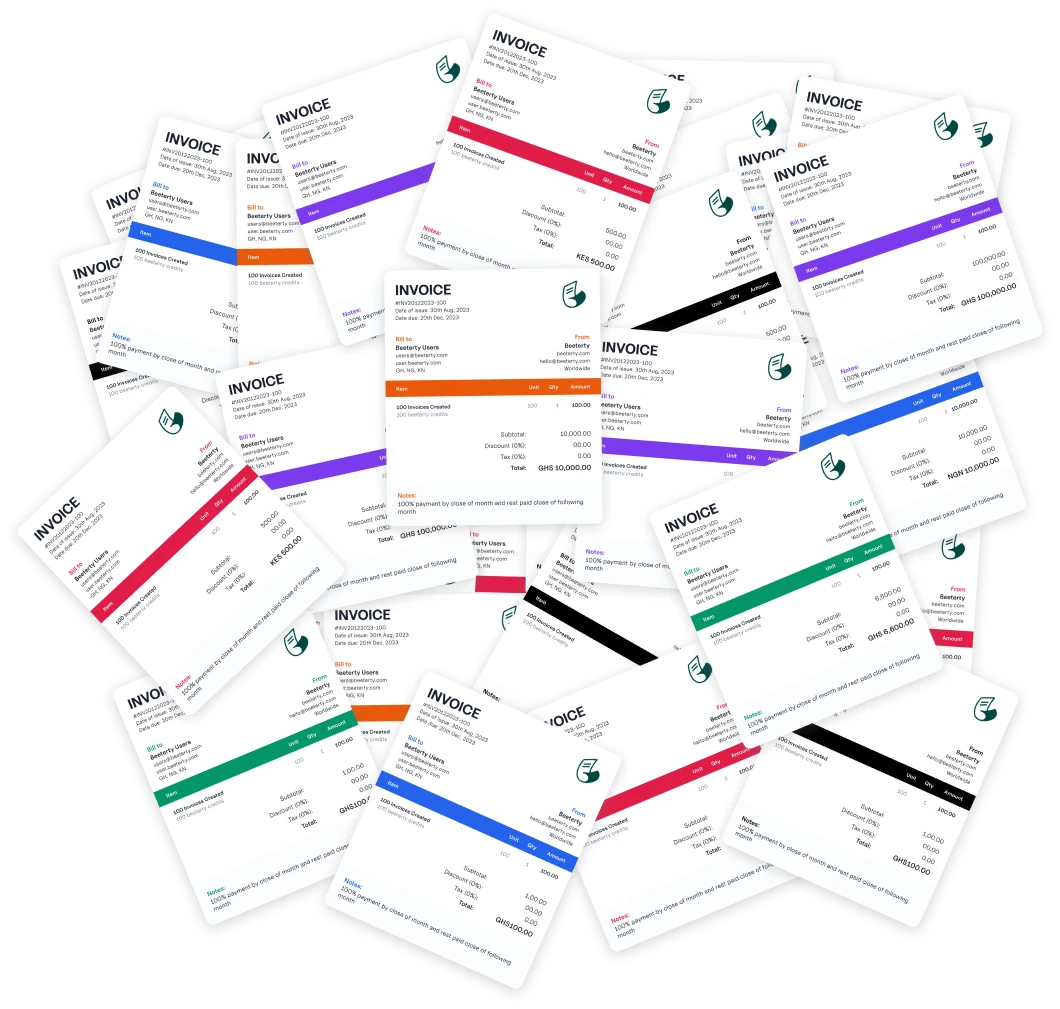
Quick question: when was the last time you sent a proper invoice? Not a WhatsApp message with your MoMo number. Not a voice note saying "please send the money." An actual invoice with your business name, an itemised breakdown, and a due date.
If you had to think about it, you're not alone. When you're starting out as a freelancer, invoicing feels like the least important thing on your plate. You're focused on getting clients, doing great work, building a portfolio. The business side gets pushed to "I'll figure it out later."
But bad invoicing habits formed early stick around for years. Here are seven mistakes we see new freelancers make constantly, and how to fix each one before they cost you.
Mistake 1: Not Sending an Invoice at All
Sounds obvious, right? But it happens all the time. You finish a project, the client says "send me your details," and you text them a bank account number. No invoice. No record. No documentation.
Then when payment doesn't come, you have nothing to reference. When tax season arrives, you have no records. When the client asks "what did I pay you for last time," you're scrolling through a chat history trying to find a message from four months ago.
The fix: Send an invoice for every single job. Every one. Even if it's your auntie's friend who asked you to design a poster. Build the habit now so it's automatic later.
Mistake 2: Vague Descriptions
"Design work: GH₵ 2,000" tells the client nothing useful. They might not even remember what "design work" refers to, especially if they work with multiple freelancers.
Vague descriptions also make it easier for clients to push back. "I didn't agree to pay GH₵ 2,000 for design work" is a much easier argument than "I didn't agree to pay GH₵ 800 for logo design, GH₵ 700 for business card layout, and GH₵ 500 for social media templates."
The fix: Itemise everything. List each deliverable separately with its own price. Be specific about what was delivered. The more detail, the less room for disputes.
Mistake 3: No Payment Terms
If your invoice doesn't state when payment is due, you're leaving it entirely up to the client. And busy clients will always prioritise invoices that have deadlines over ones that don't.
The fix: Include clear payment terms on every invoice. "Due within 7 days" or "Due by 15 March 2025." Specific dates work better than vague timeframes. And if you want extra motivation for prompt payment, mention a late fee.
Mistake 4: Using Your Personal Bank Account
When all your freelance income lands in the same account as your salary, savings, and daily spending, tracking business revenue becomes impossible. You can't tell what the business actually earned because everything is mixed together.
The fix: Open a separate account for your freelance income. List that account on all your invoices. It makes tax reporting simpler and gives you a clear picture of what your business is actually bringing in.
Mistake 5: Random Invoice Numbers
Some freelancers use dates as invoice numbers. Others use random numbers. Some skip numbers entirely. When you need to reference a specific invoice for a dispute, a tax filing, or just your own sanity, the mess catches up with you.
The fix: Pick a simple sequential system and stick with it. INV-001, INV-002, INV-003. Or add the year: INV-2025-001. Whatever format you choose, be consistent. If you use invoicing software, this is handled automatically.

Mistake 6: Not Following Up on Late Payments
New freelancers often feel guilty about asking for money they've earned. They send the invoice and then hope the client remembers. When the due date passes, they agonise over whether a reminder will make them look desperate.
Here's the reality: most late payments aren't intentional. Clients are busy. Your invoice is sitting in an inbox with hundreds of other emails. A reminder isn't rude. It's professional.
The fix: Follow up on the due date if you haven't been paid. A simple "Hi, just checking in on invoice INV-005 which was due today" is perfectly fine. If manual follow ups feel awkward, use a tool with automated reminders and let the system handle it.
Mistake 7: Making It Difficult to Pay You
You send a clean invoice, but the only payment option is a bank transfer to an account at a bank the client doesn't use. Or you only accept mobile money but their business pays via bank transfer.
Every obstacle between your invoice and the client's payment is a reason to put it off until later.
The fix: Offer at least two payment methods. Bank transfer and mobile money at minimum. List all the details clearly. Account names, numbers, mobile money details. The easier it is to pay you, the faster the money arrives.
Start Right From the Beginning
These mistakes are easy to make and easy to fix. The freelancers who build solid invoicing habits from their first client are the ones who scale successfully. They get paid faster, look more professional, and spend their energy on actual work instead of chasing money.
You became a freelancer to do work you love. Good invoicing is what makes sure you actually get paid for it.
Related Articles
Guides
How to Give Your Accountant Access to Your Invoices (Without Handing Over Everything)
Sharing your login is the wrong answer. Here's how to give an accountant, assistant, or business partner exactly the access they need using roles and permissions, and what each person should actually be able to see.
Guides
Invoice vs Receipt: What's the Difference (And Why You Need Both)
An invoice asks for money. A receipt confirms it arrived. Here's the difference between the two, what each one must contain, and why sending only invoices leaves you exposed.
Guides
The Complete Invoice Checklist: What Every Invoice Needs
Missing key details on your invoice can delay payments or cost you money. Here's a complete checklist of everything your invoice should include, with examples for freelancers in Ghana and Africa.