How to Price Your Services as an African Freelancer (Without Selling Yourself Short)
Undercharging is the most common mistake African freelancers make. Here's a practical framework for setting freelance prices that reflect your value and sustain your business.

A few years ago I quoted a client GH₵ 500 for a project that took me two full weeks. They accepted immediately. No negotiation. No pushback. Not even a pause.
That's when I knew I'd messed up.
When a client accepts your price without blinking, you charged too little. And the worst part? You can't exactly send a follow up email saying "Actually, I meant GH₵ 2,000." The number is out there. You're locked in. You spend the next two weeks doing the work while quietly resenting yourself for undervaluing it.
I've talked to hundreds of freelancers across Ghana, Nigeria, Kenya, and South Africa about pricing. Almost all of them are charging too little. Not because they don't know their work is good, but because pricing feels uncomfortable, the market seems price sensitive, and there's always someone on Fiverr willing to do it cheaper.
Here's what I've learned about setting prices that actually sustain a business.
Why We Undercharge
Before fixing the problem, it helps to understand why it exists.
The comparison trap. You see someone on a freelancing platform offering logo design for $20 and think you can't charge $200. But you're comparing different things entirely. That $20 logo is a template with a name slapped on it. Your $200 logo involves research, strategy, multiple concepts, and revisions. Different product, different price.
The "local market" excuse. "Clients in Ghana can't afford higher prices." Sometimes true. But more often, we assume this without actually testing it. I raised my prices by 40% and didn't lose a single client. Some of them actually took me more seriously after the increase.
Fear of rejection. Saying a bigger number out loud feels risky. What if they walk away? But here's the thing: if nobody ever pushes back on your prices, you're almost certainly too cheap.

A Practical Pricing Framework
Here's the framework I use and recommend to every freelancer I talk to.
Step 1: Calculate Your True Costs
Add up everything it costs you to work for a month:
- Rent or workspace
- Internet and electricity
- Software subscriptions
- Transport
- Food during work hours
- Phone bills
- Equipment wear and tear (that laptop won't last forever)
- Health insurance if you have it
- Taxes (including withholding tax if you're in Ghana)
Most freelancers forget half of these. When you actually total them up, you'll realise you need to earn a lot more than you thought just to break even.
Step 2: Decide Your Target Income
What do you actually want to earn? Not just enough to survive. Enough to save, build an emergency fund, and enjoy life a bit.
Add that number to your costs. That's your monthly revenue target.
Step 3: Be Honest About Your Billable Hours
This is where most people get the maths wrong. You don't have 160 billable hours in a month. Realistically, you have 80 to 100.
The rest goes to:
- Finding clients and marketing yourself
- Admin work (invoicing, emails, proposals)
- Learning and upskilling
- Meetings that don't lead to paid work
- Days when you're simply not productive
Divide your revenue target by your realistic billable hours. That's your minimum hourly rate. Anything below that and you're losing money.
Step 4: Price Based on Value, Not Time
The hourly rate is your floor. Not your ceiling. Whenever possible, price based on the value you deliver rather than the hours you spend.
A website that generates GH₵ 50,000 in monthly sales for a client is worth significantly more than the 40 hours you spent building it. Price accordingly.
Project based pricing tends to work better than hourly for most freelancers because it rewards efficiency. The faster and better you get at your work, the more you earn per hour without needing to justify higher rates.

How to Communicate Your Prices
The way you present your price matters almost as much as the number itself.
Lead with value. Before mentioning the price, remind the client what they're getting and why it matters to their business. "This rebrand will help you attract premium clients and command higher prices" lands very differently from "here's my quote for a rebrand."
Be specific. "GH₵ 3,500 for a complete brand identity package including logo, colour palette, typography guide, and social media templates" is far more convincing than "GH₵ 3,500 for branding."
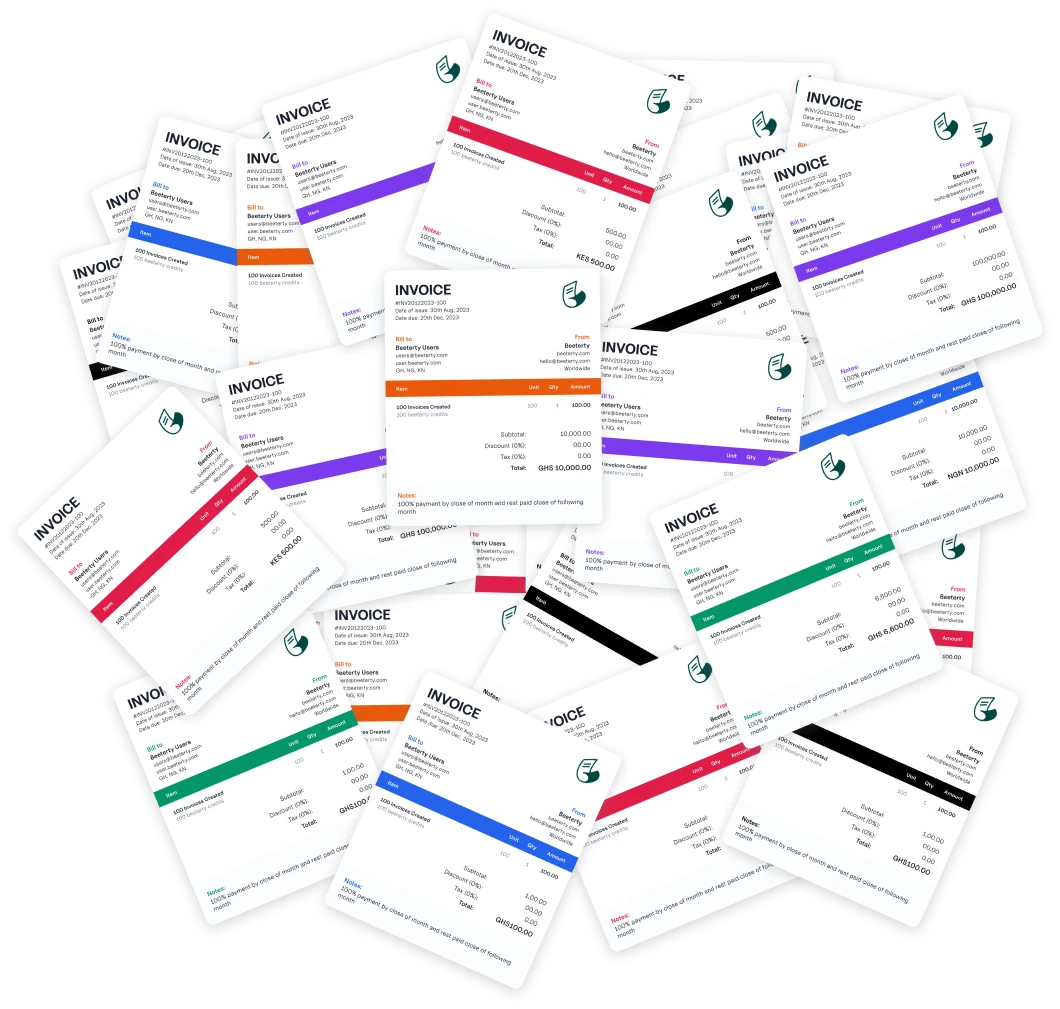
Present your invoice professionally. This matters more than people think. A clean, itemised invoice reinforces that you're a professional who charges professional rates. A WhatsApp message with your bank account number sends the opposite signal.
Don't apologise for your price. Never say "I know it's a lot" or "We can negotiate." State your price and stand behind it. If the client needs a smaller scope to fit their budget, offer that. But don't discount your rates.
Raising Prices on Existing Clients
This terrifies most freelancers, but it has to happen eventually. Here's how to do it without burning bridges:
- Give at least 30 days notice
- Explain what's changed (new skills, better tools, higher demand for your time)
- Keep existing projects at the old rate
- Accept that you might lose a few clients (this is normal and expected)
Every time I've raised prices, I've lost about 10 to 15% of clients but increased overall revenue by 25 to 30%. The maths works in your favour.
Your Price Is Part of Your Brand
Low prices attract difficult clients. The ones who demand the most revisions, pay the latest, and respect your work the least. Higher prices attract clients who value what you do and are easier to work with.
Pricing isn't just spreadsheet maths. It's a statement about who you are and the kind of business you want to build.
Set your prices. Send professional invoices. Get paid what you're worth.
Related Articles
Business
Choosing Invoicing Software as an African Freelancer: An Honest Comparison
Wave, Zoho, QuickBooks, or something built locally? A straight comparison of invoicing tools for freelancers and small businesses in Ghana and across Africa, including where each one falls short.
Business
How to Manage Multiple Businesses from One Dashboard (Without Losing Your Mind)
Running multiple hustles? Here's how to keep your invoicing, payments, and finances organised across all your businesses from a single dashboard.
Business
Why Every Small Business Needs Invoicing Software (Not Word Docs)
Still creating invoices in Microsoft Word or Google Docs? Here's why switching to invoicing software will save you time, make you look professional, and help you track payments properly.